Your Reliable Building Contractor for Top-Tier House Upgrades
A reputable general contractor serves an vital part in residential renovations. Their expertise guarantees work are completed with accuracy and attention. By prioritizing premium supplies and craftsmanship, they improve both aesthetics and value. Clear dialogue and thorough preparation are essential for a seamless experience. However, many property owners miss important considerations when choosing a contractor. Understanding what to emphasize can make all the difference in attaining a successful renovation. What should residents think about first?
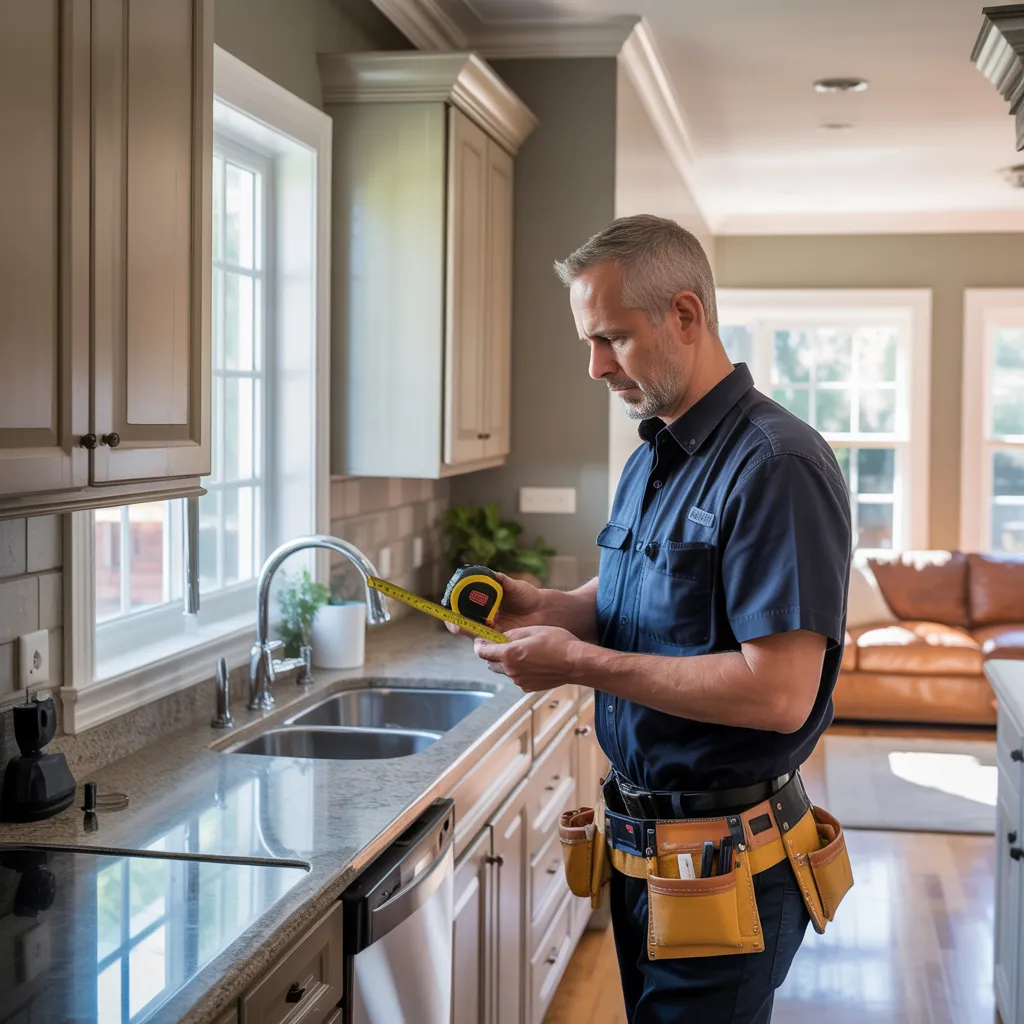
How to Identify a Professional General Contractor
When starting a home improvement project, how can one guarantee they choose a reliable general contractor? First, people should seek recommendations from friends, family, or online reviews to find potential candidates. It is essential to verify credentials, including permits and coverage, making sure the contractor complies with local regulations. Next, examining past work through project galleries or client testimonials provides insights into the contractor's workmanship and dependability.
Additionally, collecting multiple quotations can aid in gauging reasonable pricing and project timelines. Conversational abilities are equally critical; a contractor should be welcoming and attentive to client concerns. In addition, a solid contract laying out project scope, timelines, and payment schedules protects both parties. Ultimately, trust instincts; if a contractor looks unprofessional or vague, it may signal future issues. By sticking to these suggestions, homeowners can substantially improve their probability of hiring a dependable general contractor, producing successful home improvement projects.
Why a Local General Contractor Functions as Your Top Choice
Opting for a local general contractor can dramatically elevate the success of domestic renovation projects. Local contractors demonstrate invaluable knowledge of the area, encompassing structural codes, standards, and zoning statutes, ensuring compliance and efficiency. Their established relationships with suppliers and subcontractors can lead to favorable rates and expedited availability to materials and skilled labor.
Additionally, local contractors frequently have a image to preserve within their community, compelling them to deliver top-tier workmanship. This sense of accountability nurtures reliance and assurance among dwelling owners.
Furthermore, being nearby facilitates faster communication and quicker turnaround times, which can be vital during a project. Homeowners essential guide can also request recommendations from neighbors or friends who have worked previously with the contractor, ensuring peace of mind. Overall, selecting a local general contractor not only bolsters the community but also elevates the overall quality and experience of home improvement undertakings.
A Detailed Manual for Your Home Improvement Undertaking
Starting a home renovation project demands careful preparation and implementation. Establishing a project schedule is essential to ensure that activities are finished efficiently, while selecting quality supplies can greatly influence the project's outcome. This guide will detail these important steps to help homeowners manage their renovation process effectively.
Structuring Your Project Timetable
An well-planned project timeline is vital for effective home improvements, making sure that each phase is handled properly. Initially, homeowners should determine the project's scope, setting clear goals and expected outcomes. Following that, they should work with their general contractor to create a realistic timeframe considering the project's complexity and necessary tasks. Dividing the project into smaller phases enables improved tracking and adjustments when needed. It's also necessary to anticipate potential delays, like weather conditions or supply chain issues, which could affect the schedule. Regular meetings with the contractor help maintain momentum. Ultimately, having a clear timeline enhances communication and sets expectations, resulting in a smoother home improvement experience.
Evaluating High-Grade Supplies
Focusing on quality goods substantially determines the outcome of home improvement projects. To start, occupants should assess the specific needs of their endeavor, weighing elements including toughness, aesthetics, and financial plan. Exploring various material options is vital; this means grasping the advantages and drawbacks of each. Engaging with consultants can furnish meaningful guidance on reliable brands and suppliers.
Next, homeowners should ask for samples to assess the appearance and texture of materials in person. Contrasting prices across various suppliers can help guarantee affordable rates without compromising quality. Finally, confirming that materials comply with local building codes is essential for safety and compliance. By carefully choosing materials, homeowners can improve both the durability and visual appeal of their renovations, finally increasing the worth to their property.
Display Your Vision Like a Pro
Successful home renovations often depend on the capacity to communicate a distinct vision. Homeowners should articulate their ideas, preferences, and requirements, making certain that they convey their desires efficiently to their general contractor. A clearly-outlined vision not only helps in aligning the contractor's plans with the homeowner's objectives but also simplifies the planning process.
Visual elements like preliminary sketches and mood boards can considerably enhance exchange. They provide a tangible visual that reveals style, color schemes, and layout preferences. Also, promoting transparent communication bolsters collaboration, allowing the contractor to ask for clarification and deliver insights.
Establishing realistic timelines and spending limits is equally important. Homeowners should prepare to discuss constraints transparently to avoid misunderstandings later. Ultimately, sharing a vision with precision and certainty enables both parties, forging the way for accomplished project execution and satisfying results in residential improvement efforts.
The Worth of Premium Materials and Craftsmanship
During renovation work, the selection of durable materials strongly influences a project's longevity and capability. Equally critical is quality workmanship, which confirms materials are employed successfully. In combination, high-quality materials and expert workmanship produce results that remain strong over the years.
Selecting Durable Materials
A strategic collection of tough materials can markedly impact the durability and appearance of home improvements. Quality materials not only elevate the look of a space but also guarantee that renovations survive the test of time. Homeowners should focus on materials with tested resilience, such as hardwood, stone, and high-grade metals, which combat wear and tear and environmental damage. Additionally, selecting materials appropriate for the local climate can eliminate issues like rot or corrosion. Spending in durable options may require a higher upfront cost, but the long-term benefits—fewer repairs and replacements—make it a prudent choice. Ultimately, the right materials enhance a home's value and overall satisfaction for years to come.
Skilled Workmanship: Its Importance
Quality craftsmanship plays an fundamental role in the favorable outcome of home improvements, supplementing the identification of durable materials. Skilled artisans guarantee that every aspect of a project is executed with precision, enhancing both functionality and aesthetics. Attention to detail in construction, from framing to finishing touches, contributes considerably the longevity and performance of home features. Quality technical skill not only expresses a commitment to superior standards but also prevents the occurrence of future issues, such as construction defects or cosmetic imperfections. Additionally, experienced contractors recognize the nuances of various materials, ensuring they are employed effectively. Ultimately, allocating resources toward skilled technical skill leads to a more fulfilling and enduring result, enhancing the overall value of the home and the property owner's contentment.
Typical Home Improvement Missteps and How to Sidestep Them
A large portion of homeowners encounter pitfalls in home remodeling that may cause pricey interruptions and dissatisfaction. An ordinary oversight centers on miscalculating the financial requirements. Absent a comprehensive financial plan, unexpected outlays can develop fast, putting at risk the project. Additionally, omitting to acquire compulsory licenses could lead to penalties and project halts, making difficult the remodeling process.
Rushing the decision-making process is another common error. Quick decisions regarding design and layout can result in disappointment in the future. Homeowners frequently fail to recognize the importance of engaging skilled professionals, which can compromise the quality of work and standards for safety.
Finally, failing to communicate properly with contractors can create confusion and unfulfilled needs. To prevent these problems, homeowners should prioritize thorough planning, secure the required documentation, select experienced professionals, and maintain clear communication channels throughout the renovation process. By tackling these common mistakes, homeowners can ensure a smoother and more satisfying renovation outcome.
How to Choose the Appropriate Options for Your Remodel?
How can property owners ensure they select the right materials for their renovation projects? First, they should assess the particular requirements of the space, considering factors such as functionality, aesthetics, and longevity. Investigating different options is crucial; property owners should analyze options based on their suitability for the intended use and local climate conditions.
Collaborating with a trusted general contractor can impart expert perspective into decision options, assuring decisions adhere to both budget and design goals. Likewise, dwelling owners should advocate for environmental stewardship by assessing eco-friendly materials that mitigate environmental impact.
Ultimately, examining specimens can aid in making informed decisions, allowing property owners to visualize how materials will look and feel in their space. By adhering to these guidelines, homeowners can confidently choose materials that enhance their remodel while ensuring durability and lasting value.
Frequently Posed Queries
How Should I Validate a Contractor Licenses and Insurance?
To verify a contractor's licenses and insurance, one can review state regulatory agencies and insurers. Moreover, obtaining copies of licenses and insurance certificates directly from the contractor ensures authenticity and adherence to regulatory requirements.
What Constitutes the Common Timeline for Home Improvement Projects?
The common timeline for house renovation projects fluctuates, often stretching from a few weeks to several months, depending on how complex the project is, size, and needed permits. Consultation with the construction firm can help create a more accurate plan.
Can I live in My Home During Renovations?
Yes, one can reside in a home during remodeling, though it often depends on the project's scope. Minor renovations may permit continued occupancy, while extensive work might require temporary relocation for comfort and safety.
What Payment Methods Do Contractors Commonly Accept?
Contractors commonly accept a range of payment forms, such as cash, checks, credit cards, and digital payment platforms. Some may also present financing opportunities, enabling clients freedom in managing renovation costs and payment schedules.
How Can I Navigate Disagreements Involving My Service Provider?
To handle disagreements with a contractor, one should talk transparently, maintain documentation of every interaction, and work toward resolution through bargaining. If not addressed, alternative dispute resolution or formal action may be essential to defend one's position in an effective manner.